
A Question & Answer Guide On How to Shoot Underwater Photos
How to Shoot Underwater Photos
A Q and A Guide for Beginners and Aspiring Ocean Photographers
Underwater photography opens up an entirely different world. Light behaves differently. Movement is constant. Colors shift as you descend. Whether you are photographing sea turtles, waves, or reef life, preparation and technique matter.
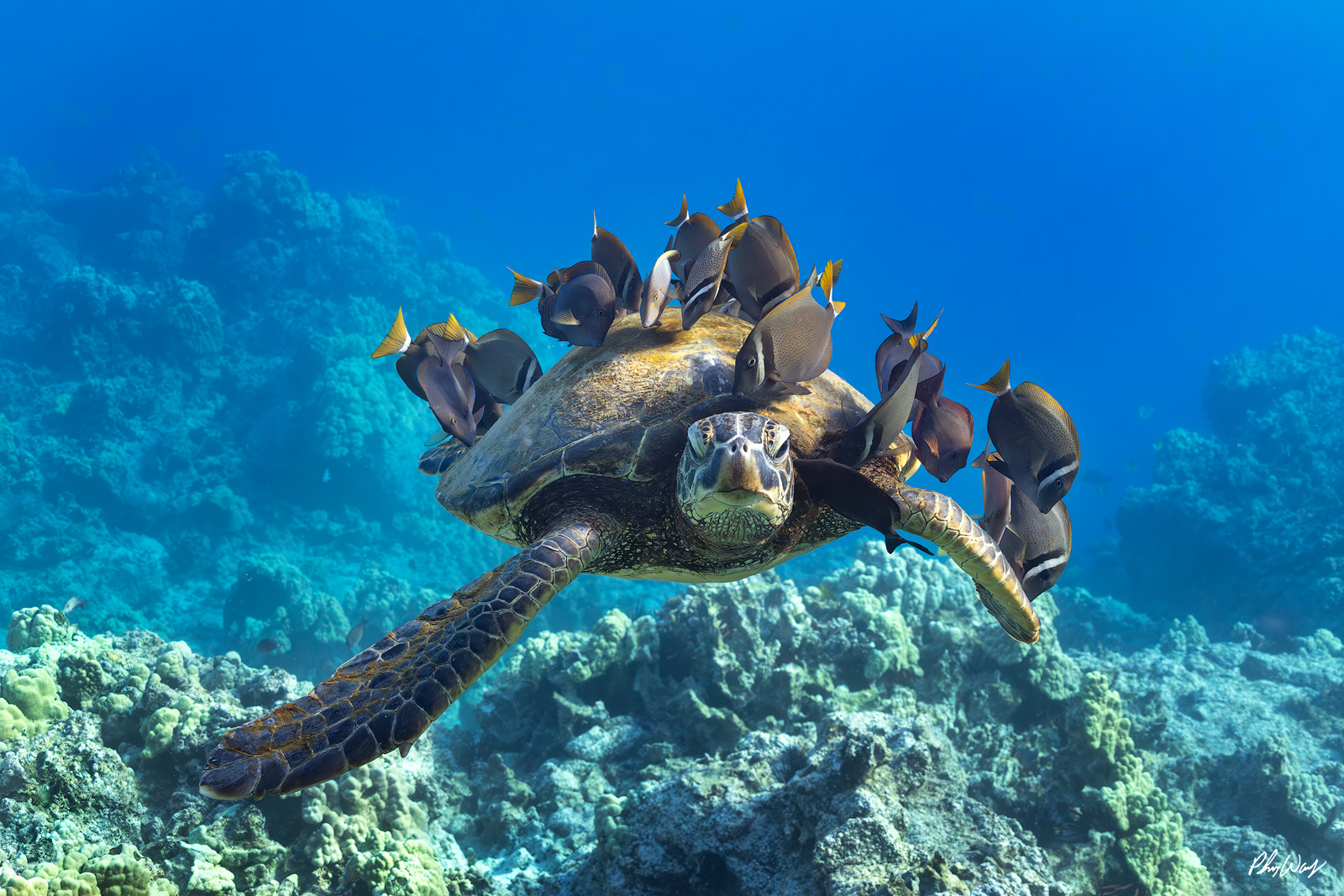
Here is a detailed Q and A guide to help you get started.
Q: What camera do I need for underwater photography?
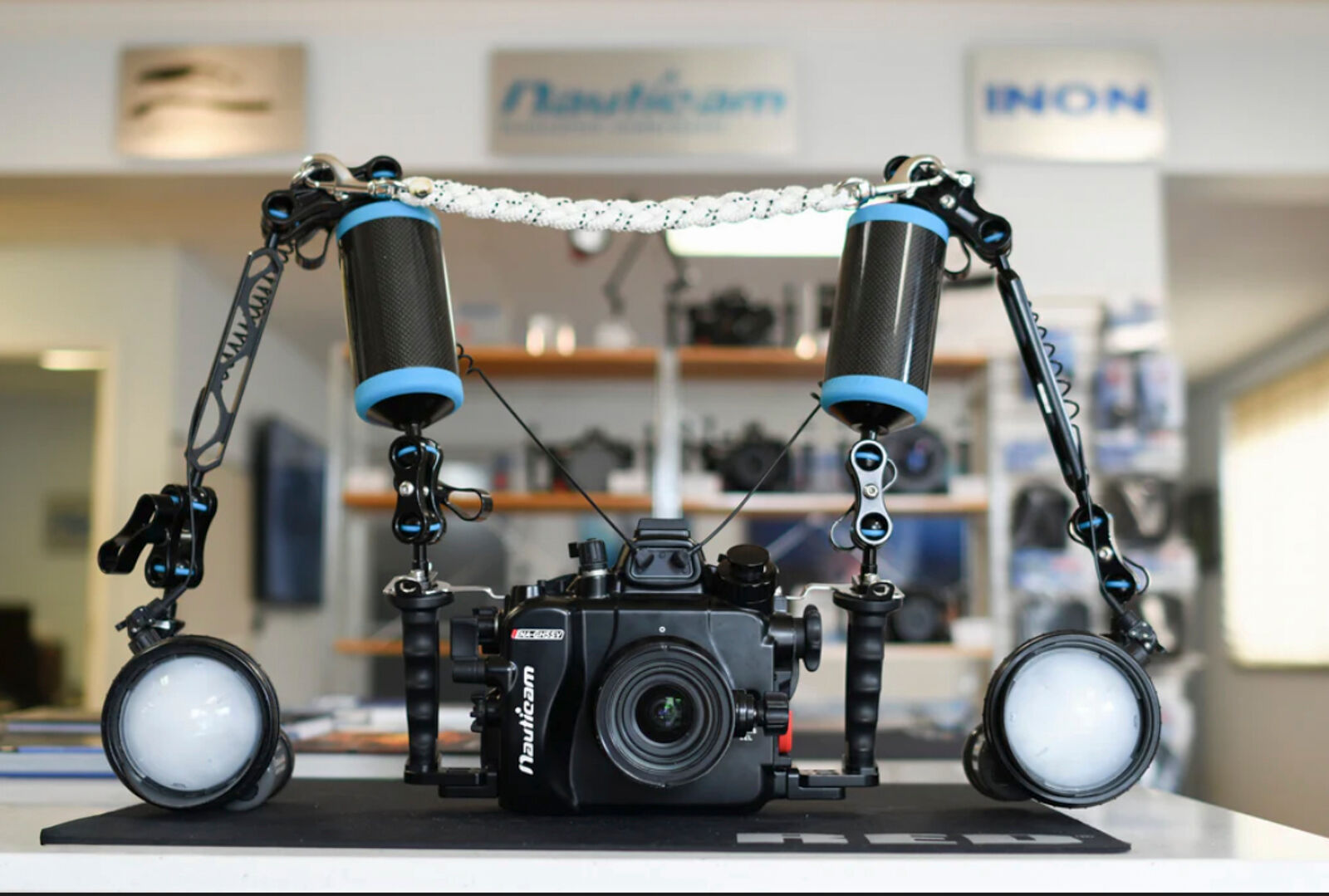
You need a camera that can be placed inside a waterproof housing. This can be:
- A DSLR or mirrorless camera with a professional underwater housing
- An action camera like GoPro HERO13 Black
- A compact waterproof camera
Serious photographers typically use mirrorless or DSLR systems because they allow full manual control and interchangeable lenses. The housing is just as important as the camera. It must be depth rated and properly sealed.
Q: What lens works best underwater?
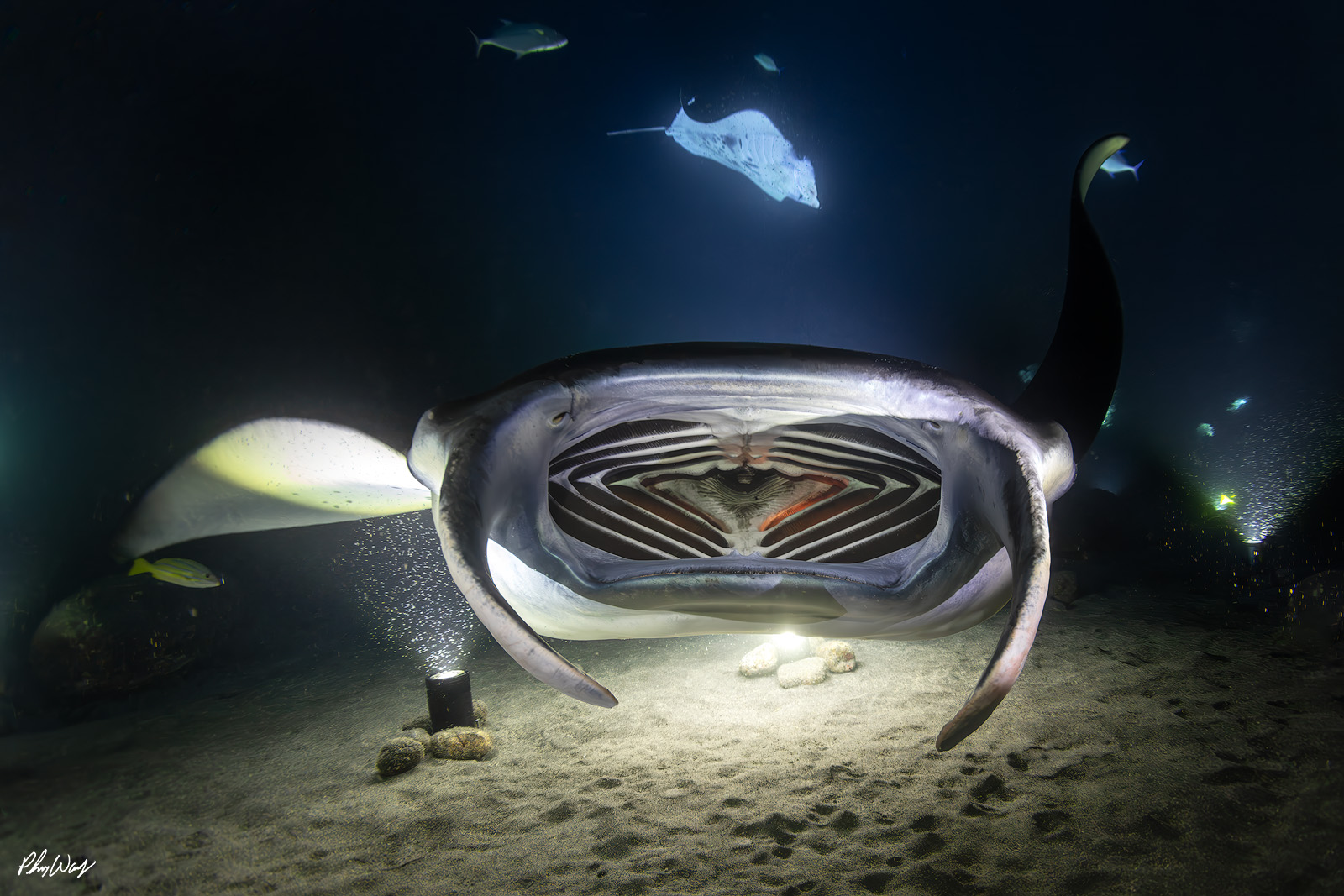
Wide angle lenses are ideal. Water reduces clarity and magnifies particles in the water column. The closer you are to your subject, the sharper and clearer your image will be.
Popular choices include:
- Ultra wide zoom lenses
- Fisheye lenses
- Wide angle primes
Macro lenses are also excellent if you are shooting small reef life, but they require steady positioning and strong lighting.
Q: What settings should I use?
Underwater photography requires fast adjustments. These are general starting points:
- Shutter speed: 1/250 or faster for moving subjects
- Aperture: f/5.6 to f/11 depending on depth of field needed
- ISO: As low as possible while maintaining proper exposure
If you are photographing fast moving subjects like sea turtles or breaking waves, prioritize shutter speed.
Q: How do I keep my photos sharp?
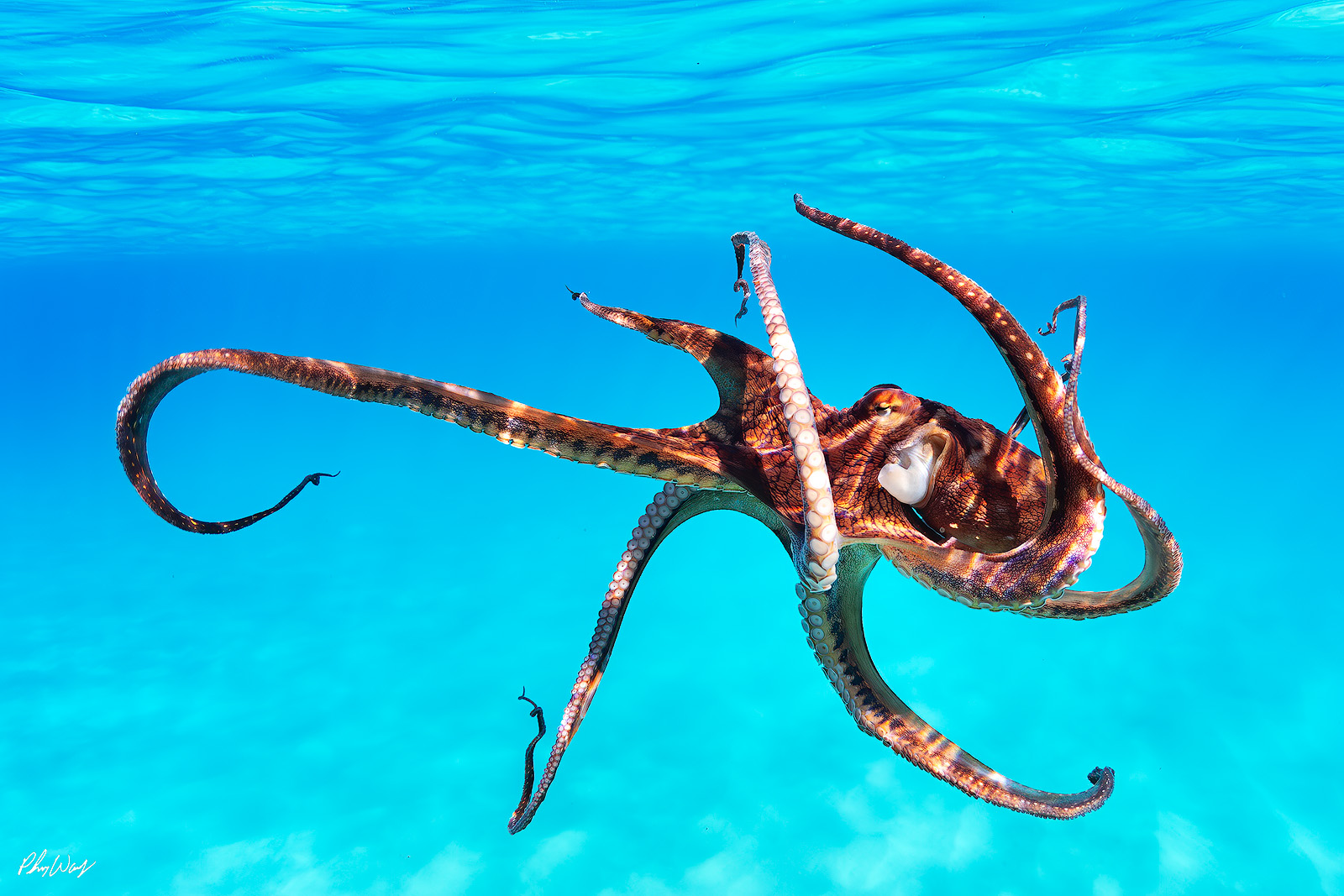
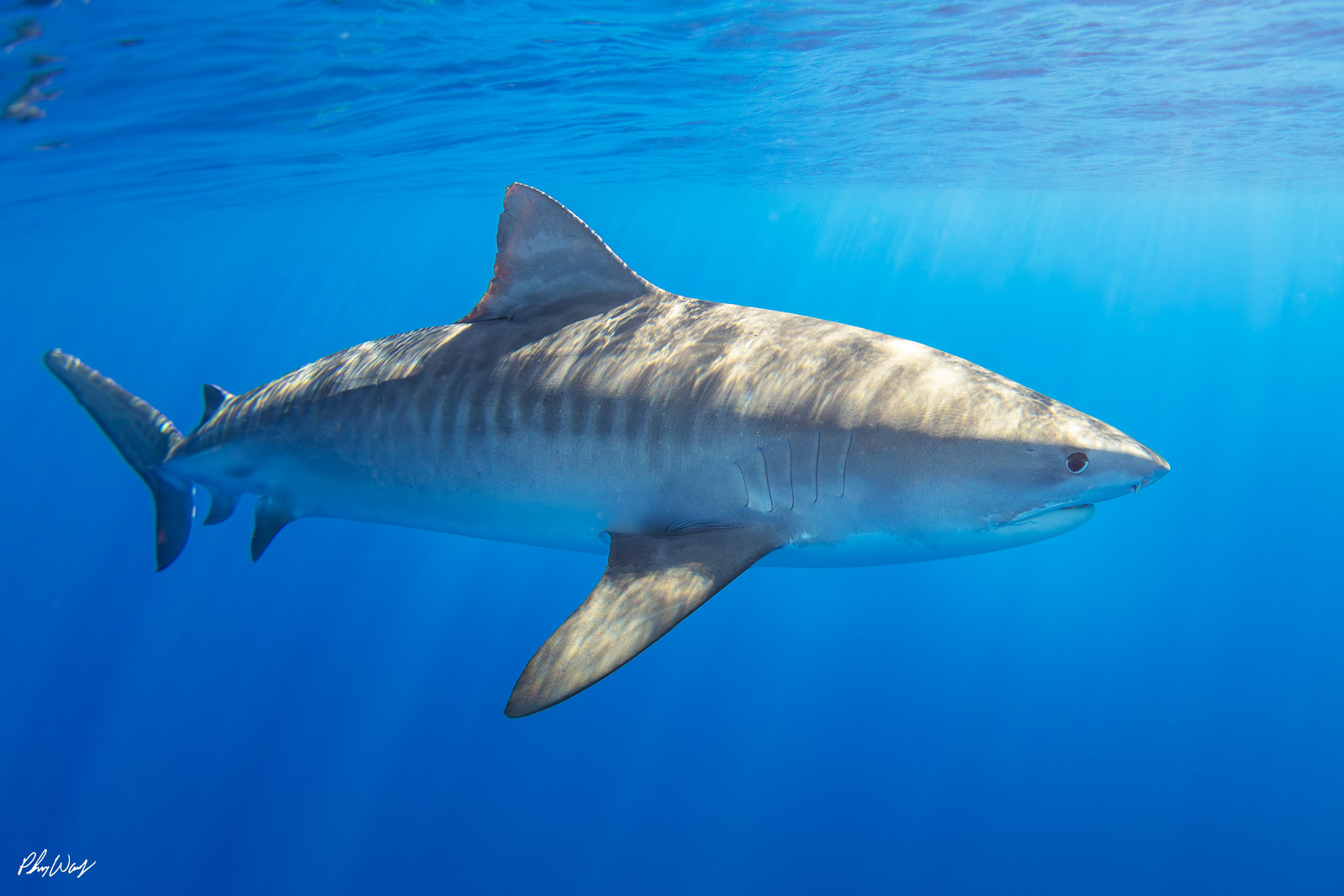
Get close to your subject. This is the number one rule. The more water between you and your subject, the more haze and distortion you introduce.
Other tips:
- Use continuous autofocus
- Keep your body stable
- Time your shots between surge movements
- Control your breathing if you are free diving
Underwater movement is constant. Anticipation is key.
Q: Is underwater photography safe?
It can be, if done responsibly. Always:
- Respect ocean conditions
- Check currents and tide patterns
- Never turn your back on waves
- Use proper diving or snorkeling training
- Never touch or disturb marine life
If you are shooting in open ocean environments, always prioritize safety over the shot.
Q: How do I photograph sea turtles?
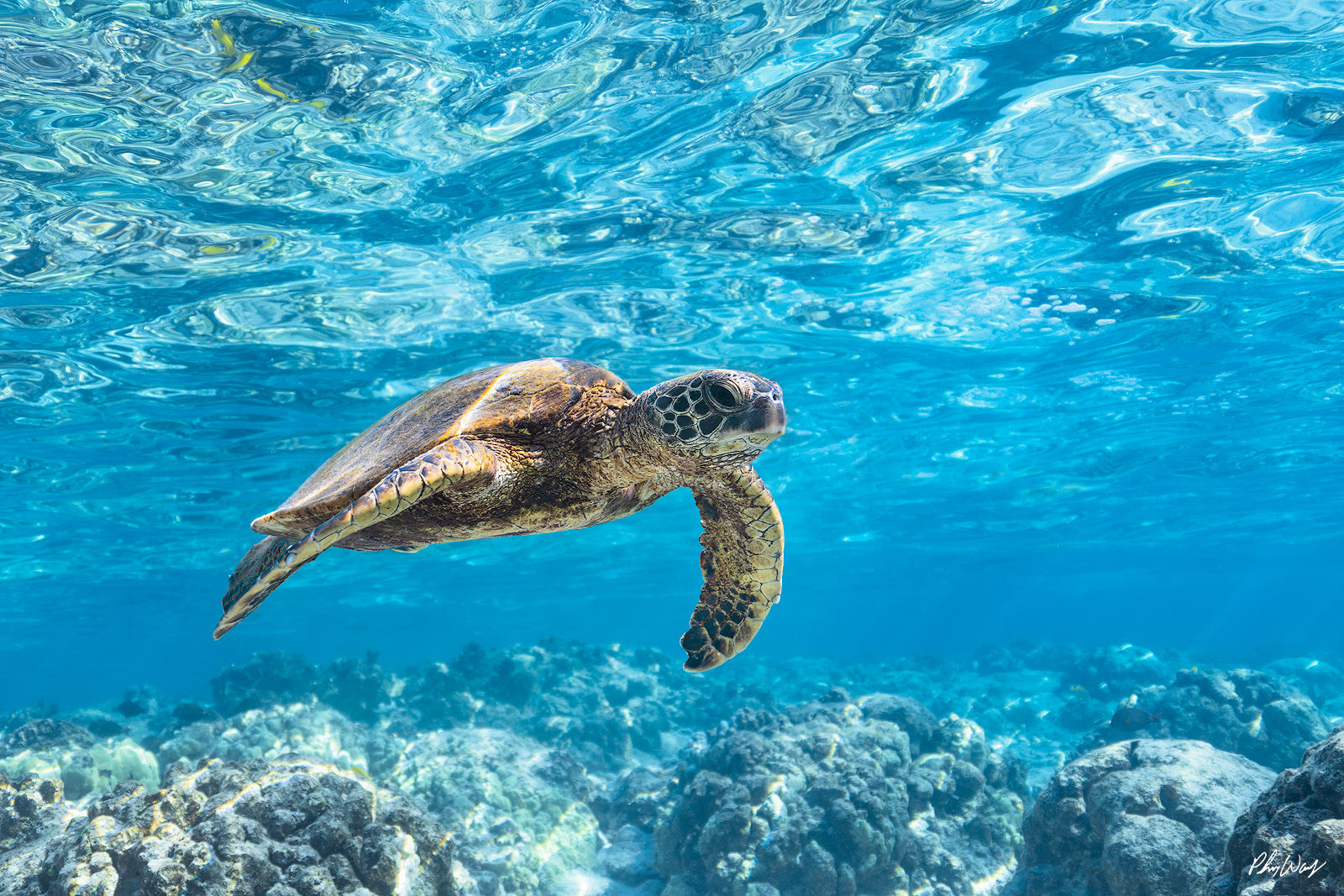
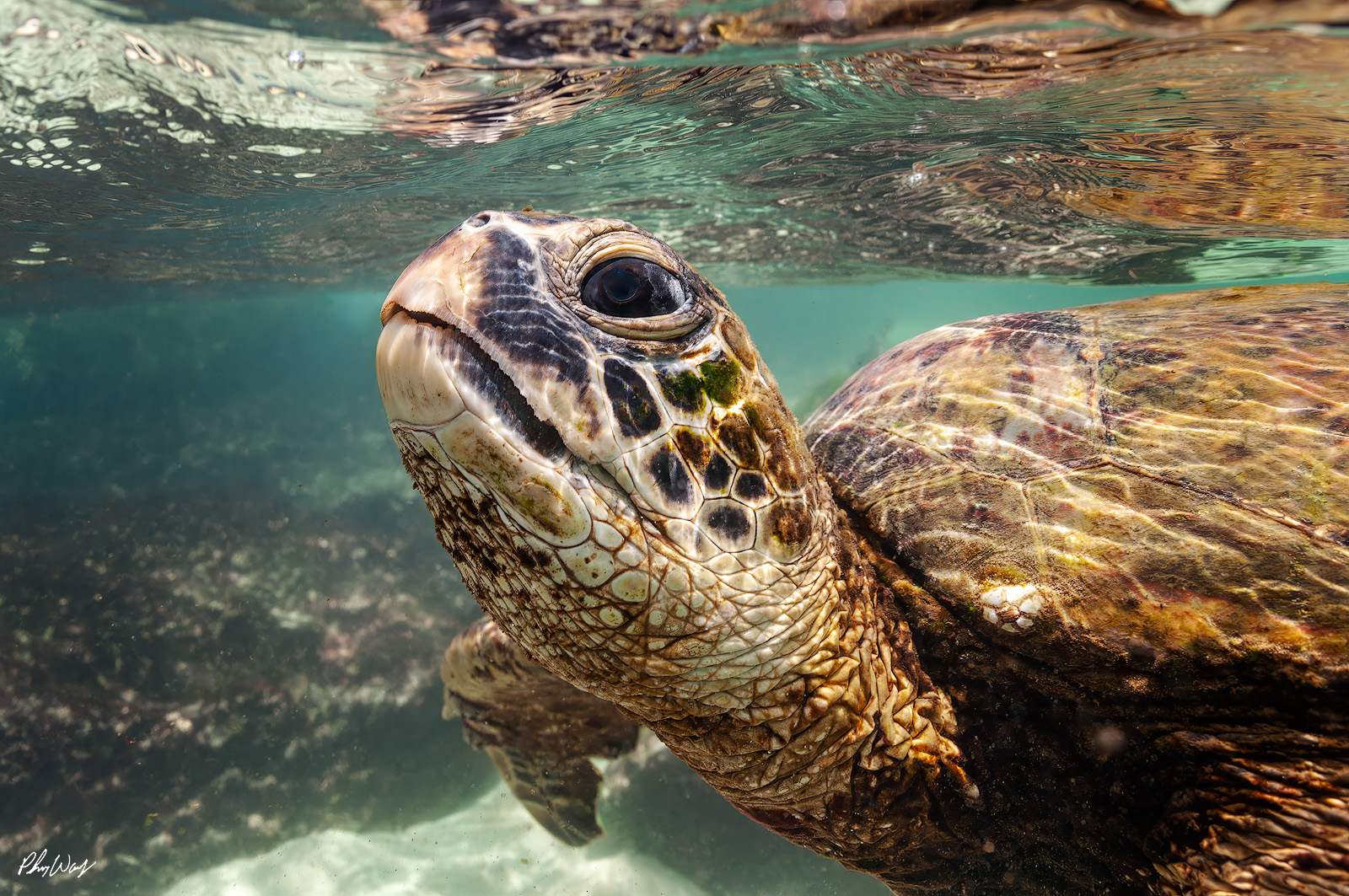
Sea turtles are calm but powerful animals. To photograph them:
- Stay at their level, not above them
- Move slowly and predictably
- Use a wide angle lens
- Position yourself with the sun behind you
Patience earns trust. The more relaxed you are, the more natural the behavior you will capture.
Q: Can I shoot waves from inside the water?
Yes, but this is advanced and requires strong swimming skills. Shooting waves from the water creates dramatic and immersive perspectives.
Key tips:
- Use a dome port on your housing
- Shoot during golden hour for glowing water
- Study wave patterns before entering
- Never underestimate the ocean’s power
This style produces some of the most dynamic ocean imagery.
Q: What are the biggest mistakes beginners make?
- Not getting close enough
- Ignoring light direction
- Forgetting to check housing seals
- Shooting in poor visibility conditions
- Rushing instead of observing
Underwater photography rewards patience more than speed.

Final Thoughts On Shooting Underwater Photos
Underwater photography is challenging but incredibly rewarding. The ocean is unpredictable. Conditions change quickly. But when everything aligns, light, subject, movement, you capture something that very few people ever get to witness firsthand.
Start simple. Respect the water. Focus on light. Get close.
Over time, your confidence and creativity beneath the surface will grow.